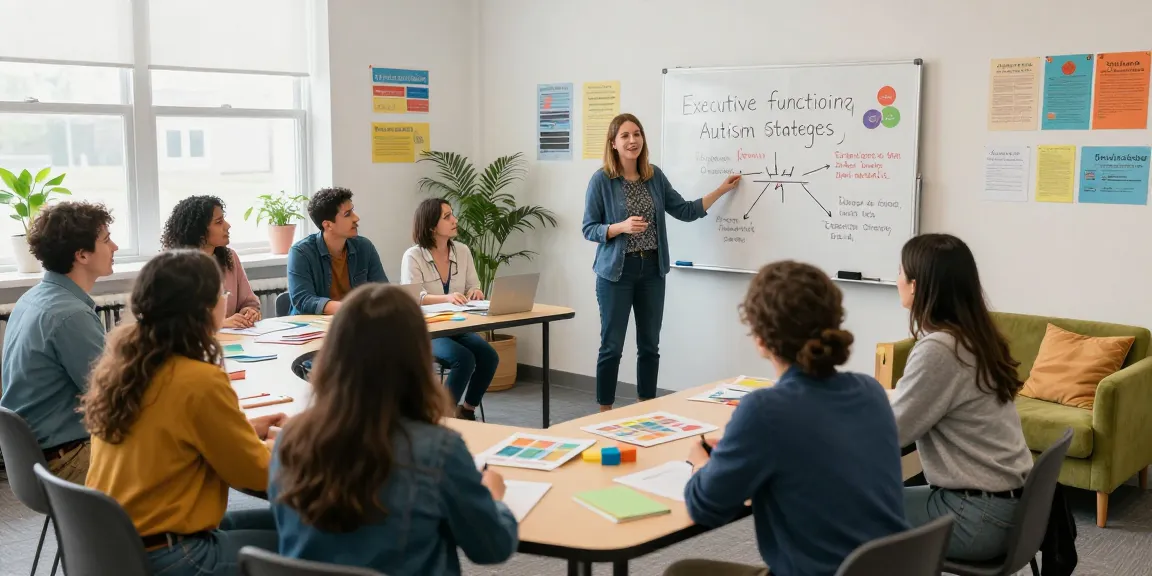
Understanding Executive Functioning in Autism
Executive functioning is a term that encompasses a range of cognitive skills that are crucial for managing thoughts, emotions, and actions. For individuals on the autism spectrum, challenges with executive functioning are common and can significantly impact daily life, academic success, and social interactions. By understanding these challenges, families, educators, and clinicians can adopt more effective strategies to support autistic individuals in navigating their environments. When exploring options, Executive functioning autism interventions can provide invaluable insights into tailored support.
What is Executive Functioning?
Executive functioning refers to a set of cognitive processes that include planning, working memory, attention regulation, problem-solving, and self-control. These skills enable individuals to manage their thoughts and actions, set and achieve goals, and respond dynamically to challenges. For individuals with autism, these processes can be inconsistently developed, leading to difficulties in various settings.
The Role of Executive Functioning in Daily Life
Every day, individuals rely on executive functioning skills to complete tasks ranging from simple routines to complex decision-making. In school, for example, students depend on these skills to stay organized, follow instructions, and manage their time effectively. In social settings, executive functioning impacts how they interpret social cues, regulate emotions, and navigate interpersonal relationships. Therefore, a strong foundation in these skills is essential for fostering independence and success.
Common Challenges Faced by Autistic Individuals
Autistic individuals often encounter specific challenges related to executive functioning, including:
- Difficulty with planning: Struggling to outline steps needed to complete tasks.
- Poor impulse control: Acting without thinking of consequences.
- Challenges in managing emotions: Difficulty regulating responses in stressful situations.
- Issues with organization: Trouble keeping track of materials and deadlines.
- Inconsistent working memory: Difficulty retaining information needed for immediate tasks.
Effective Strategies for Supporting Executive Functioning
To support the development of executive functioning skills in autistic individuals, caregivers and educators can implement a variety of strategies that are both practical and evidence-based. These approaches should emphasize a strengths-based perspective that acknowledges individual differences and promotes autonomy.
Practical Techniques for Home and School Environments
Creating structured environments is key. In both home and school settings, implementing routines can significantly improve executive functioning outcomes. Examples include:
- Establishing a consistent daily schedule that outlines specific times for activities.
- Breaking tasks into smaller, more manageable steps to prevent overwhelm.
- Utilizing checklists to track progress on assignments and household chores.
Utilizing Visual Supports and Schedules
Visual supports can greatly assist individuals in understanding and executing tasks. These may include:
- Visual schedules that depict daily activities in sequential order.
- Graphic organizers for planning essays or projects.
- Color-coded materials to differentiate subjects or tasks.
Visual cues provide clarity and enhance memory retention, making it easier for autistic individuals to focus and follow through with their responsibilities.
Building Organizational Skills: Tools and Resources
Numerous tools and resources can help enhance organizational skills. These may include:
- Apps designed for task management, such as Todoist or Trello.
- Physical tools like binders or folders to compartmentalize schoolwork.
- Timers and reminders to prompt task initiation and completion.
By integrating these tools into daily routines, individuals can cultivate a stronger sense of control and responsibility.
Collaborative Approaches for Educators and Parents
Fostering a collaborative environment between educators and parents is essential for successfully supporting executive functioning skills. Open communication is crucial for understanding individual needs and developing effective strategies.
Creating a Shared Plan for Success
A shared plan should outline specific goals, strategies, and timelines. This plan can include:
- Regular meetings to discuss progress and adjust strategies as needed.
- Incorporating feedback from both parents and educators to refine approaches.
- Setting clear expectations and consistent reinforcement of desired behaviors.
Importance of Communication and Feedback
Effective communication involves active listening and providing constructive feedback. Parents and educators should strive to:
- Maintain an open dialogue about what works and what doesn’t.
- Share specific observations about the individual’s strengths and challenges.
- Encourage a culture of support and understanding, where questions and concerns are welcomed.
Training Programs and Workshops for Educators
Professional development is vital for educators to stay informed about the latest interventions and strategies for executive functioning support. Training programs and workshops can enhance the knowledge base and skill set of teaching staff, enabling them to:
- Understand autism spectrum disorder and its impact on learning.
- Learn new techniques for supporting executive functioning in the classroom.
- Foster an inclusive classroom environment that celebrates diversity.
Case Studies: Success Stories in Executive Functioning Support
Real-life applications can provide valuable insights into the effectiveness of various strategies aimed at enhancing executive functioning in autistic individuals. Through positive case studies, we can highlight the potential for significant growth and improvement.
Real-Life Applications of Strategies
For example, a school implemented a visual schedule system for a student with autism that tracked daily activities. As a result, the student exhibited decreased anxiety and improved engagement in classroom tasks.
Outcomes for Students and Families
Families have noted an increase in their children’s independence when using organizational tools, leading to greater confidence in their ability to manage homework and personal responsibilities. This transition not only benefits the students but also alleviates stress for parents.
Lessons Learned and Future Improvements
Reflecting on successful outcomes allows educators and families to identify effective practices that can be further refined. Continuous adjustment and flexibility in strategies are vital to cater to the evolving needs of autistic individuals.
Future Trends in Executive Functioning Support for Autism
As we move toward 2026 and beyond, the landscape of executive functioning support is poised for significant advancements. Emerging research and innovations are shaping how we approach interventions.
Emerging Research and Innovations for 2026 and Beyond
New studies are investigating the brain's neuroplasticity and its implications for enhancing executive functioning in autistic individuals. Understanding how cognitive skills can be developed over time opens new doors for innovative approaches in therapy and education.
Technology’s Role in Enhancing Executive Functioning Skills
Technological advancements are playing a transformative role in supporting executive functioning. Mobile applications, virtual reality environments, and personalized learning platforms can provide tailored experiences that cater to individual needs.
Community Initiatives and Support Networks
Community-driven initiatives are also crucial for providing resources and fostering connections among families. Support groups and networks can facilitate shared learning experiences, helping families feel less isolated and more empowered in their journeys.
What are the best strategies for improving executive functioning in autistic individuals?
Strategies such as establishing routines, utilizing visual supports, and leveraging technology can be highly effective. It is essential to tailor these approaches to meet the unique needs of each individual.
How can parents and educators collaborate effectively?
Collaboration hinges on open communication, shared goals, and regular feedback. Parents and educators must work together to create a consistent approach that reinforces executive functioning skills.
What technology tools assist with executive functioning challenges?
Tools such as task management apps, reminder systems, and educational software are instrumental in helping individuals develop organizational skills and manage their responsibilities.
What role does neurodiversity play in executive functioning support?
Embracing neurodiversity allows for a broader understanding of individual differences, which can facilitate tailored approaches in supporting executive functioning that honor each person's unique strengths and challenges.
How to measure success in executive functioning interventions?
Success can be measured through behavioral observations, feedback from individuals and families, and academic performance. Regular assessments ensure that strategies remain effective and relevant.